Second medical use patents remain one of the most commercially sensitive tools in the originator playbook. Yet they are among the most volatile of protection mechanisms when it comes to validity challenge and “skinny labelling” carve-out strategies.
This session will explore the latest case law updates and patentability challenges in the European, U.S., and Brazilian second medical use and skinny labelling spaces, covering new strategies for building and attacking these patents.
- What are the key implications of recent second medical use case law, including the landmark UPC Local Division ruling on Amgen vs Sanofi (2024)?
- What is the current EPO stance on reasonable expectations of success for second medical use?
- How should companies approach plausibility and data requirements in Europe post G2-21?
- How has the UPC shaped strategy around second medical use claims?
- How do second medical use claims and skinny labelling practice interact with competition law?
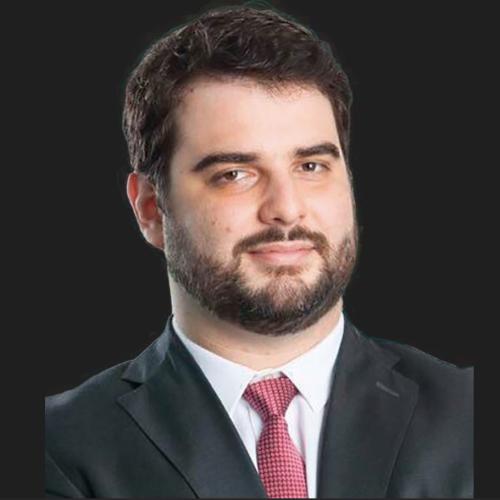
Eduardo Hallak
Eduardo Hallak is one of the founding partners at Licks Attorneys and one of our leaders at the Sao Paulo office. For more than a decade, he has been working as a litigator before state and federal courts in Brazil in several complex disputes and leading cases involving Patent law, competition, and regulatory compliance, most of them pursuing the interests of clients in the area of life sciences. He also has extensive practice in trademark litigation as well as technology transfer contracts, working together with multinational clients to establish strong brand protection and licensing programs in the country. Mr. Hallak also currently teaches IP litigation in the Post-Graduation course at the prestigious Pontifical Catholic University of Rio de Janeiro (PUCRJ), has taught Civil Procedure at the at the Brazilian Association of IP Agents (ABAPI), and is often invited to lecture on procedural and strategic aspects of IP litigation, in addition to being a member of the Special Commission on Mediation of the Rio de Janeiro Chapter of the Brazilian Bar Association (OABRJ) and the Enforcement Committee of INTA.